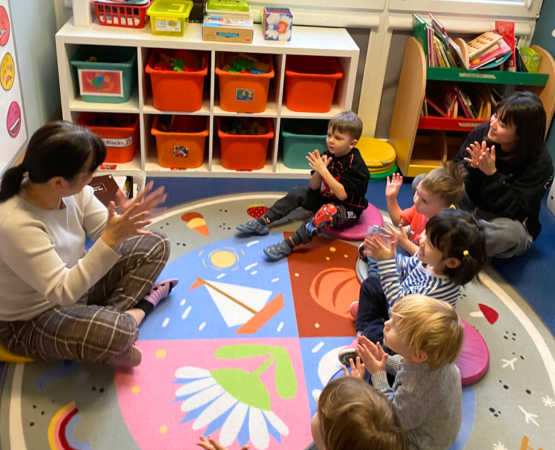
International schools are a unique type of educational institution, offering students the opportunity to learn in a multicultural environment, in two or more foreign languages, and through high-quality curricula inspired by educational systems from selected countries.
Fluency in foreign languages is one of the most important skills of the 21st century. Being able to communicate easily with people from different parts of the world can open the door for your child to explore the world safely and confidently. It can also give them the freedom to develop, study, and work internationally—without language barriers or borders.
Discover why investing in international education can be so valuable!
Table of Contents:
- What Are International Schools?
- What Types of International Schools Are There?
- Benefits of Studying at an International School
- Can Your Child Attend an International School?
What Are International Schools?
A school is considered international when it does not operate under the Polish educational authorities. In international schools, from preschool through high school, education is based on a curriculum other than the Polish national curriculum and follows guidelines developed by the educational authorities of another country.
What Types of International Schools Are There?
The number and variety of international schools in Poland continue to grow. This is largely due to parents becoming increasingly aware of the benefits of investing in an international education for their children. Some of the most common international schools are American, French, and British schools.
Read on our blog:
French School for Children – What Is the Difference Between the French System and the ITSW Method?
American Schools in Poland – What Is Learning Like? Discover ITSW
Only a few years ago, students at these types of schools were primarily the children of foreign diplomats or corporate executives who had been relocated to Poland to manage local branches of international companies. Today, international school communities are becoming increasingly diverse, with a more balanced mix of Polish and international students benefiting from their educational programmes.
Benefits of Studying at an International School
One of the undeniable advantages of attending an international school is the opportunity to interact with people from different cultures and countries—including both students and teachers/native speakers.
Such multicultural communities encourage openness and tolerance, help children understand the world from different perspectives, and break down communication barriers. But that is not all!
Learning Through International Curricula
Education is most beneficial when it responds to the needs of today’s world while also taking into account each child’s individual abilities. International schools draw inspiration from leading educational programmes around the world and can offer children an education that, from an early stage, equips them with the tools they need to shape their own educational journey.
The ITSW curriculum is an example of this approach. It is an original programme developed by comparing and drawing from the French, American, British, Spanish, and Finnish educational systems. The ITSW curriculum combines selected elements from these different systems into one educational approach. Most importantly, it prepares students to continue their education abroad, at an international school, or within the Polish educational system.
Each educational system is built around different values and priorities. The French system places a strong emphasis on discipline, while Anglo-Saxon educational systems focus more strongly on students’ well-being, with particular importance placed on ensuring that every student feels part of the school community. In the Spanish system, peer relationships play an important role. Finnish education, meanwhile, emphasizes learning through experience and practical activities rather than theory alone.
Exceptional Opportunities for Language Learning
One of the most effective ways to learn a foreign language is through language immersion—being surrounded by and actively using the language.
An international environment naturally creates opportunities for this type of immersion. Children communicate in their chosen languages with international classmates as well as subject teachers and other members of the school community.
Many subjects are also taught in the selected languages, supporting the intensive development of a child’s overall language skills.
Children can quickly expand their vocabulary without having to memorize long lists of words. Instead, they acquire new vocabulary naturally through context and everyday use. Language development also happens across several areas simultaneously, allowing children to develop their speaking, reading, and writing skills in a balanced way.
Career Opportunities and Future Development
As mentioned earlier, language skills are among the most highly valued competencies in today’s job market. For this reason, describing international education as an investment in a child’s future is certainly not an exaggeration.
Fluency in multiple languages can give young people greater freedom when planning their future education—including the possibility of completing an international secondary-school qualification—as well as their professional careers and personal development.
It can also give them greater confidence when travelling and help them adapt more easily to life in different countries.
Can Your Child Attend an International School?
Knowledge of one or more foreign languages can provide a strong foundation for a successful experience at an international school. If your child is already bilingual or trilingual, they may feel particularly comfortable in this type of educational environment.
International schools are also attended by children who developed their foreign-language skills while attending a bilingual or trilingual preschool.
Read on our blog: Bilingual School – What Is It and What Does Learning Look Like? A Comparison with a Trilingual School
The ITSW nursery and preschool can provide children with a strong start. Thanks to a carefully designed programme and the involvement of teachers and native speakers, children completing their preschool education can be prepared to continue their learning in international schools. Likewise, students progressing through ITSW Primary School can build the academic and language foundations needed to continue their education at an international high school.